It’s one of the most common questions homeowners ask: how long does a roof last in New Jersey? The honest answer is that it depends. Two roofs installed in the same year can age very differently. One might need replacing years before the other.
Roof lifespan comes down to a handful of factors. The material matters, but so do installation quality, attic ventilation, and how well the roof is maintained. Local weather plays a big part too. New Jersey roofs deal with snow, ice dams, freeze-thaw cycles, summer heat, and coastal storms near the shore.
Instead of guessing based on age alone, it helps to know what wears a roof down. It also helps to spot the signs of aging. In this article, we’ll cover the main factors that affect lifespan and how New Jersey weather plays into it. We’ll also share the warning signs that a roof is near the end. Then we’ll cover simple ways to get more years out of it.
What Affects How Long Your Roof Lasts
Material is the starting point. Asphalt shingles, EPDM rubber, and TPO membranes all have different expected lifespans. Shingle manufacturers rate their products, and that rating gives you a rough baseline. Installation quality matters just as much. A roof with poor flashing, missing underlayment, or misplaced nails can fail early. Good shingles can’t fix those mistakes. Ventilation is the factor most people overlook. An attic that traps heat and moisture bakes shingles from below in summer and causes ice dams in winter. Finally, maintenance makes a difference. A roof that gets regular checks and quick repairs usually outlasts one that’s ignored until it leaks.
How New Jersey Weather Wears Down a Roof
New Jersey gets a little bit of everything, and each season stresses your roof differently. Winter brings snow loads, ice dams, and freeze-thaw cycles that open small cracks. Spring and summer bring heavy rain, strong thunderstorms, and high heat that dries out shingles. Fall adds wind and falling leaves that clog gutters. Near the shore, salt air and coastal wind speed things up. Salt corrodes metal flashing and fasteners, while wind lifts shingle edges during every storm. Nor’easters and tropical storms can cause damage in a single day. That’s why two identical roofs, one inland and one near the coast, can age at very different rates.
Signs Your Roof Is Near the End of Its Life
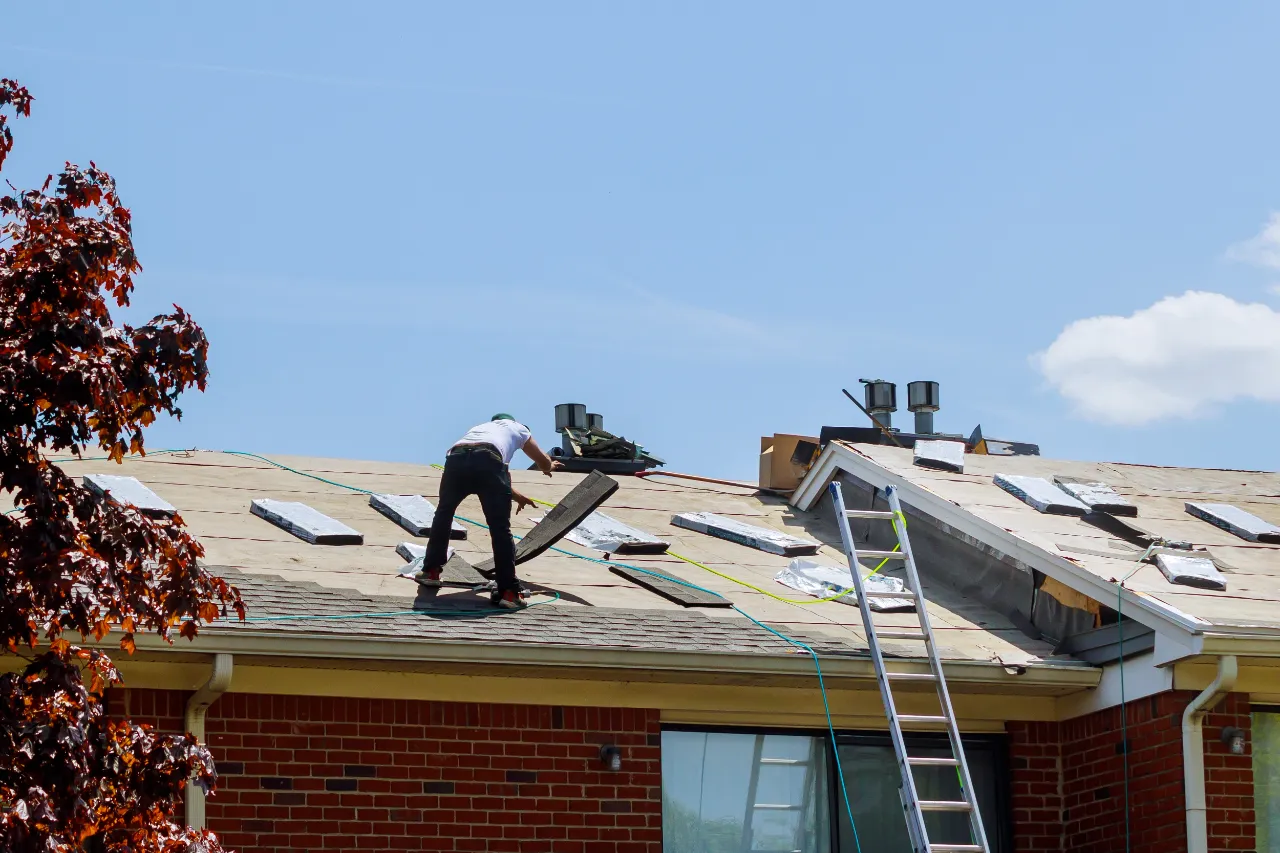
Age alone doesn’t tell the whole story, so look at the roof itself. Curling, cracking, or buckling shingles are a clear sign of wear. So are bare spots and heavy granule loss you can see in the gutters. Inside, water stains, damp insulation, or daylight coming through the attic roof boards are warning signs. A roof deck that feels soft or sags in places usually means moisture damage underneath. Leaks that keep coming back after repairs are another strong signal. When several of these signs show up together, it’s usually time to plan a roof replacement instead of another repair.
How to Get More Years Out of Your Roof
A few simple habits go a long way. Keep gutters clear so water drains off the roof edge instead of backing up. Trim branches that hang over the roof and scrape against shingles in the wind. After major storms, walk around the house and scan the roof. Missing shingles or debris are easy to spot. Have the roof inspected once a year, and fix small problems quickly. Loose flashing or a worn pipe boot costs far less to repair early than the water damage it causes later. Proper attic ventilation and insulation also protect the roof from both summer heat and winter ice dams.
Frequently Asked Questions
Do flat roofs last as long as shingle roofs?
It depends on the membrane and how well it was installed. EPDM and TPO flat roofs hold up well when the seams, flashing, and drainage are done right. Regular checks help too.
Can I put new shingles over my old roof?
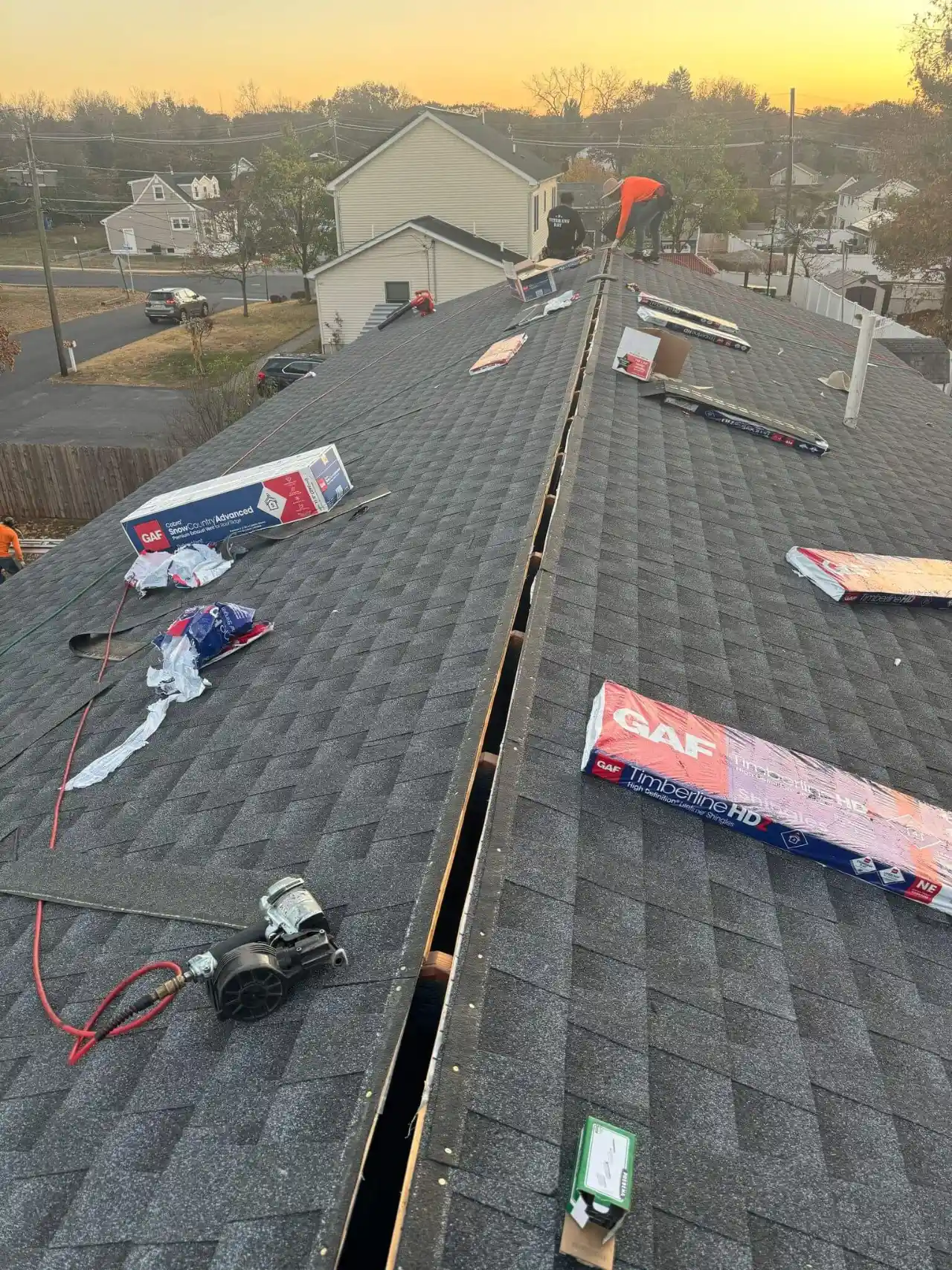
Sometimes, but it isn’t always the best choice. A tear-off lets the roofer inspect and repair the deck. Layering can hide rot and add weight that shortens the new roof’s life.
How often should I have my roof inspected?
Once a year is a good habit, plus a check after any major storm. Regular inspections catch small problems before they shorten your roof’s life.
Does attic ventilation really affect my roof?
Yes. Poor ventilation traps heat and moisture, which ages shingles faster and leads to ice dams in winter. Good airflow helps the roof last longer.
Can an inspection tell me how much life my roof has left?
An inspection gives you a clear picture of the roof’s condition. A roofer can tell you whether it has years left, needs repairs, or should be replaced soon.